
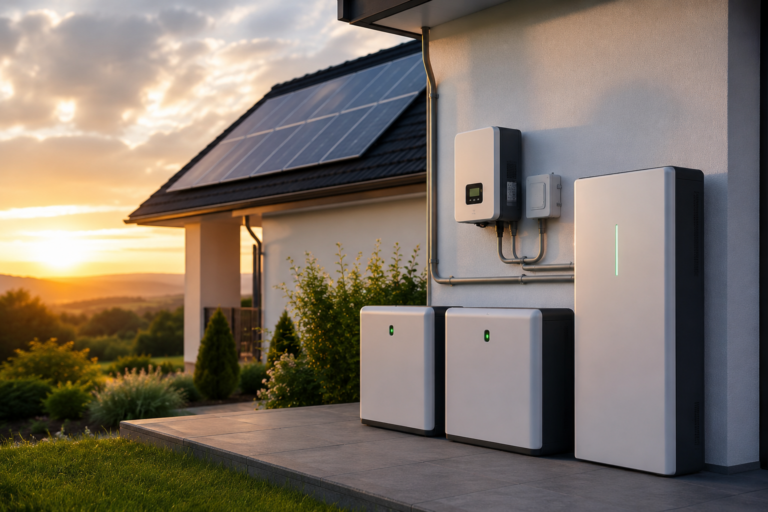
As solar energy adoption continues to grow, energy storage has become an essential part of building a more reliable and efficient solar power system. While solar panels generate electricity during daylight hours, solar batteries store excess energy for use when solar production is low or unavailable.
Choosing the right battery technology can significantly impact system performance, energy independence, operating costs, and long-term return on investment.
In this guide, we’ll explore the different types of solar batteries, how they work, and which option may be best for your residential or commercial energy needs.
What Is a Solar Battery?
A solar battery is an energy storage device that captures and stores excess electricity produced by solar panels for later use.
Stored energy can be used during:
- Nighttime hours
- Cloudy weather conditions
- Utility power interruptions
- Peak electricity demand periods
Solar batteries improve energy flexibility and help maximize the value of solar-generated electricity.
1. Lithium-Ion Solar Battery
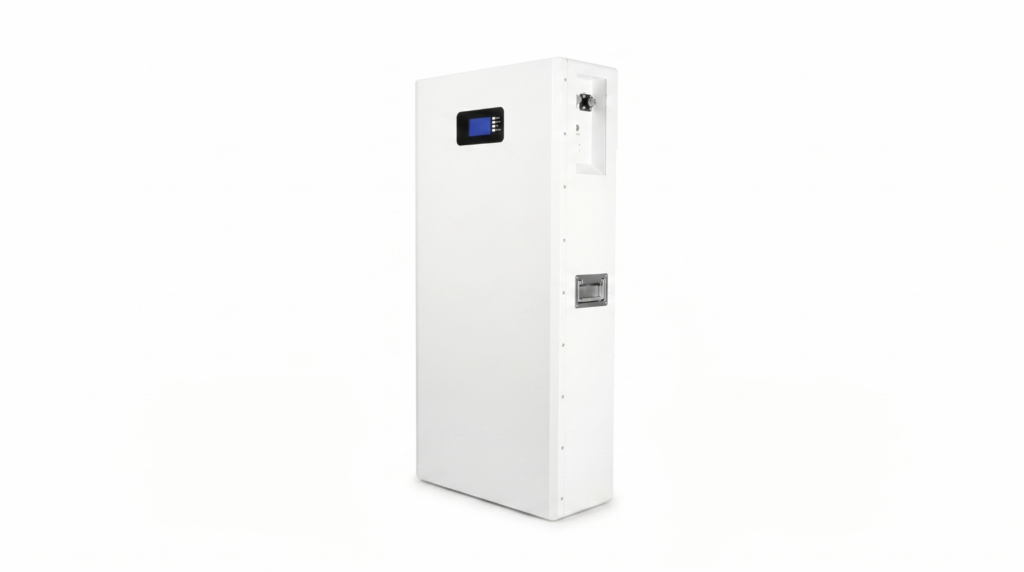
A lithium-ion solar battery is currently the most widely adopted battery technology for modern solar energy systems.
Known for its high efficiency, compact design, and long operational lifespan, lithium-ion technology has become a preferred choice for residential and commercial installations.
How It Works
Lithium ions move between internal electrodes during charging and discharging cycles, enabling efficient energy storage and release.
Key Features:
✔ High energy density
✔ Fast charging capability
✔ Compact footprint
✔ Long cycle life
Best For:
- Residential solar systems
- Commercial facilities
- Users seeking long-term efficiency
Advantages:
- Higher usable storage capacity
- Minimal maintenance requirements
- Strong overall performance
Considerations:
- Higher upfront investment compared to traditional battery technologies
2. Lead-Acid Solar Battery
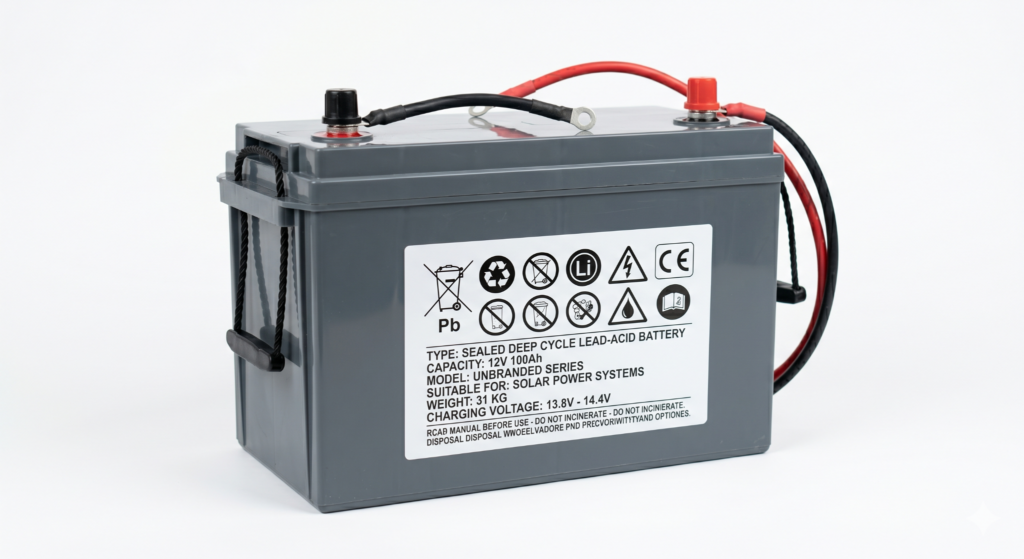
A lead-acid solar battery is one of the oldest and most established battery technologies used for energy storage.
Despite being a traditional option, it remains relevant for applications that prioritize lower initial costs.
How It Works
Electrical energy is stored and released through chemical reactions between lead plates and electrolyte solutions.
Key Features:
✔ Established technology
✔ Lower purchase cost
✔ Broad availability
Best For:
- Budget-conscious installations
- Backup energy applications
- Smaller solar systems
Advantages:
- Lower initial investment
- Proven reliability
Considerations:
- Shorter lifespan
- Larger installation space requirements
- More frequent maintenance depending on battery type
3. Lithium Iron Phosphate (LiFePO₄) Battery
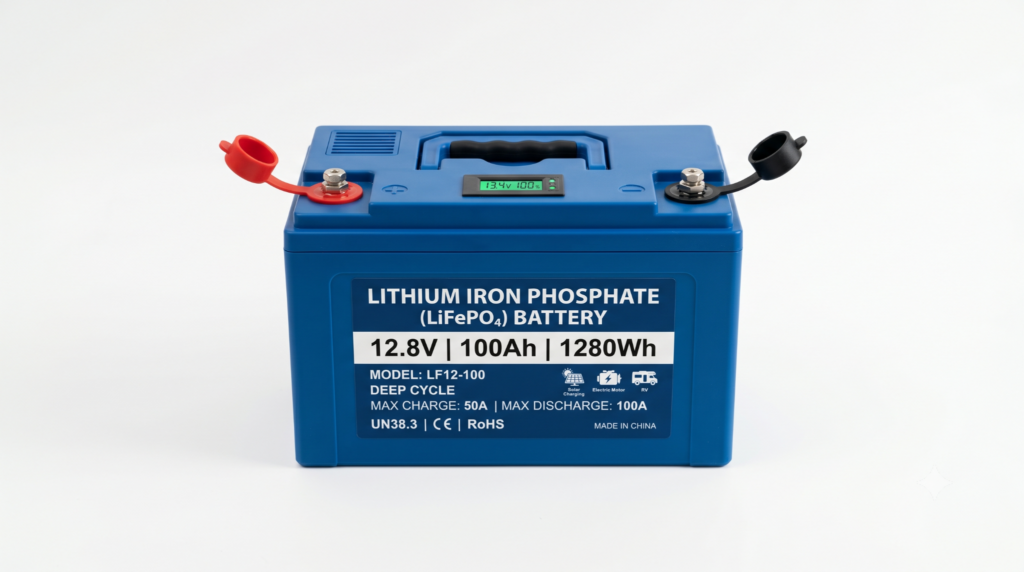
A Lithium Iron Phosphate (LiFePO₄) battery is a specialized lithium battery known for enhanced thermal stability, safety, and long-term durability.
It has become increasingly popular in advanced solar energy storage applications.
How It Works
This battery chemistry uses lithium iron phosphate materials to provide stable charging and discharging performance.
Key Features:
✔ High safety performance
✔ Excellent cycle life
✔ Improved thermal stability
Best For:
- Residential battery storage
- Commercial solar applications
- Long-term energy investment strategies
Advantages:
- Long service life
- Stable operating performance
- Reduced overheating risks
Considerations:
- Higher initial cost than conventional lead-acid batteries
4. Flow Battery
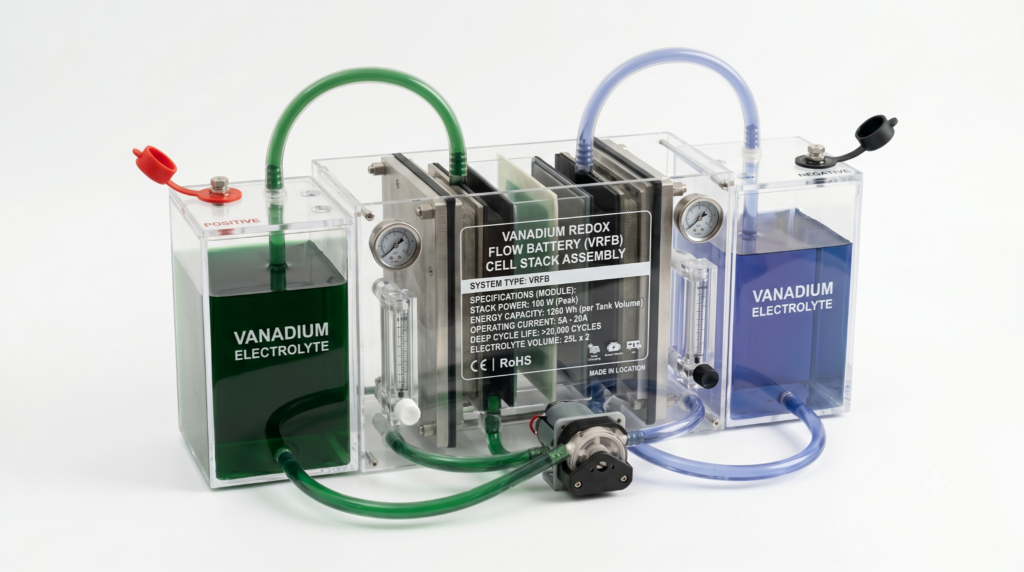
A flow battery stores energy in liquid electrolytes contained in separate storage tanks.
Unlike conventional batteries, capacity can often be expanded independently of power output.
How It Works
Electrolyte solutions circulate through the battery system to charge and discharge stored energy.
Key Features:
✔ Scalable energy storage
✔ Long operational lifespan
✔ Consistent performance over time
Best For:
- Large commercial applications
- Industrial facilities
- Long-duration energy storage projects
Advantages:
- Extended service life
- Flexible storage scaling
Considerations:
- Larger physical footprint
- Higher installation complexity
| Feature | Lithium-Ion | Lead-Acid | LiFePO₄ | Flow Battery |
| Efficiency | High | Moderate | High | High |
| Lifespan | Long | Moderate | Very Long | Very Long |
| Maintenance | Low | Moderate–High | Low | Low |
| Space Requirement | Compact | Larger | Compact | Large |
| Initial Cost | Moderate–High | Lower | Higher | High |
How to Choose the Right Solar Battery
Selecting the ideal solar battery depends on several important factors:
Energy Usage Requirements
Determine how much electricity you want to store and use daily.
Backup Expectations
Evaluate whether your system needs short-term backup or extended energy independence.
Available Installation Space
Different battery technologies require varying physical footprints.
Budget and Long-Term Value
Consider both upfront costs and expected lifespan to calculate total ownership value.
A properly sized and selected battery can significantly improve the efficiency and resilience of your solar energy system.
Ready to build a smarter solar energy system?
Contact our team today to discover the ideal battery storage solution tailored to your energy requirements.